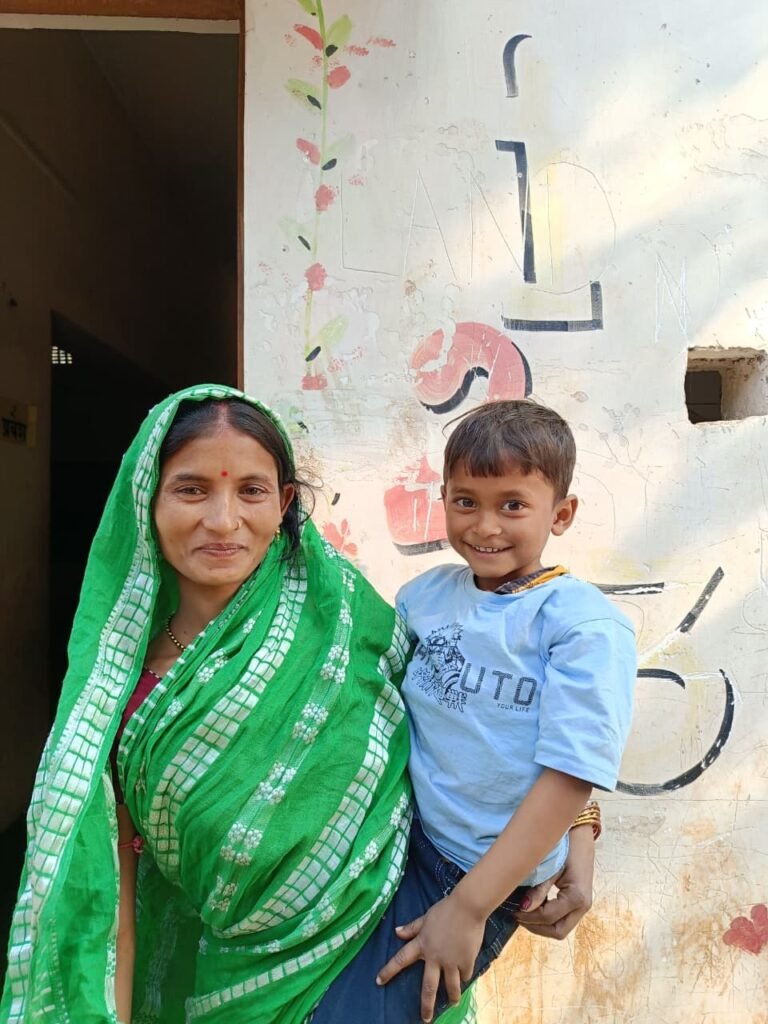
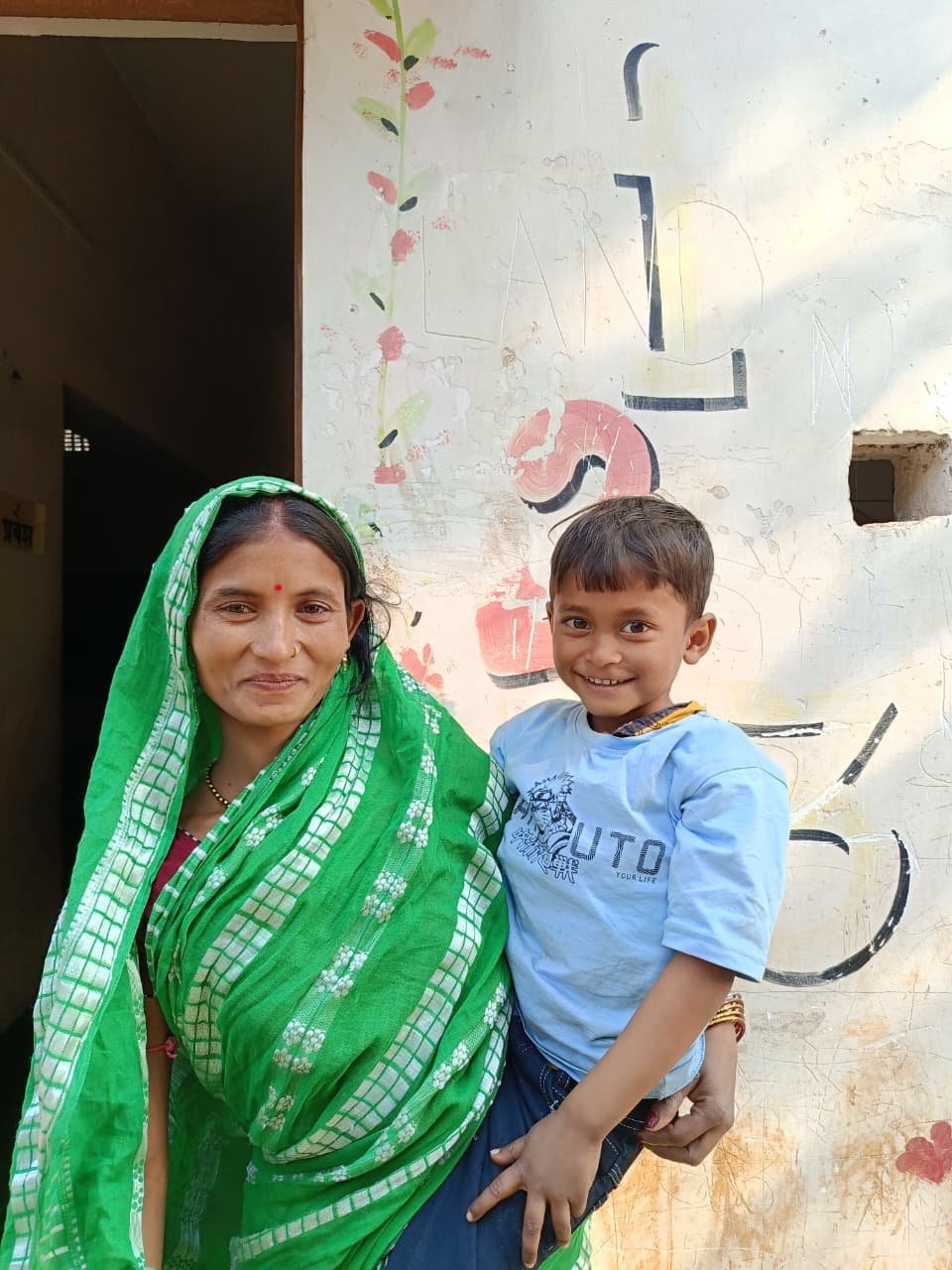
In Betakocha village of Jugsilia block, Jamshedpur, Jharkhand, the early years of six-year-old Manik Pramanik were filled with struggle. His days were marked by weakness, frequent illness and low energy. For his family, each day brought worry about what could be done to improve his health and how to ensure proper food. Born into a socio-economically vulnerable family, Manik faced challenges beyond just food scarcity.
Manik’s father works as a daily wage labourer and his limited and uncertain income made it difficult to ensure proper nutrition and healthcare. His mother tried her best, but with little awareness about balanced diets and appropriate feeding practices, meeting his nutritional needs was not easy. In August 2025, Manik weighed only 10.5 kg and his height was 95 cm, placing him in the category of Moderate Acute Malnutrition (MAM). His condition was further complicated by hemophilia, affecting his growth and increasing health risks. The family often felt helpless, as repeated illness and low strength made even daily activities difficult for Manik.
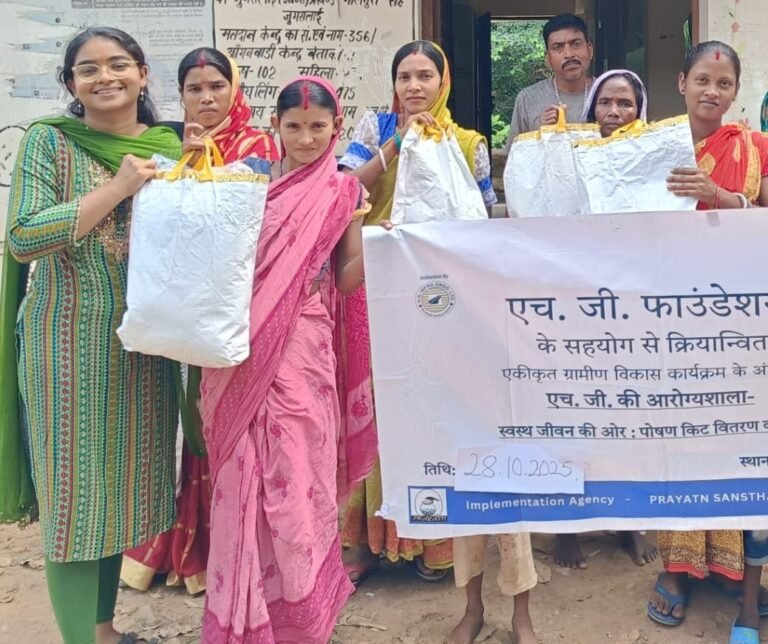
Meanwhile, Prayatn Sanstha was already implementing the IRDP (Integrated Rural Development Project) in collaboration with H.G. Foundation across five villages, including Betakocha. Key village-level institutions such as the Village Development Committee (VDC) and Self-Help Groups (SHGs) were formed and strengthened to ensure that development efforts addressed the real needs of the community. During a routine assessment at the Anganwadi Centre, the Prayatn team identified Manik as a child requiring urgent support.
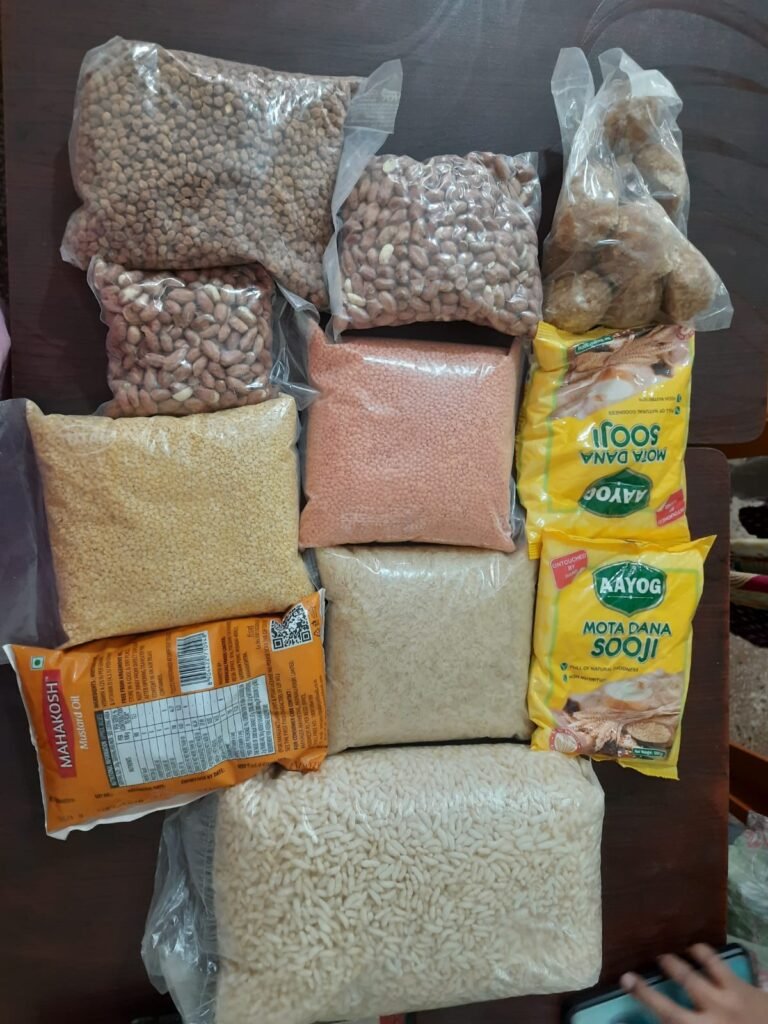
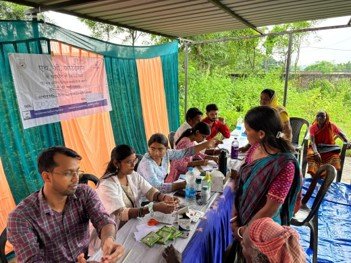
Through regular home visits, Manik’s mother received counselling on age-appropriate nutrition, low-cost healthy food options, hygiene practices and proper feeding habits. She began to understand the importance of timely meals, dietary diversity and proper care during illness. As part of the intervention, the family received food kit support for Manik on multiple occasions, ensuring improved nutritional intake during the recovery phase. Manik also received free check-ups and treatment through Special Health Camp organized under the intervention, aimed at ensuring regular health monitoring, screening, basic treatment and referral support. Special attention was given to managing his hemophilia for reducing the risk of complications.
With continuous guidance, Manik’s mother became more confident and proactive in caring for him. Gradually, these efforts showed results. His weight increased from 10.5 kg to 13.5 kg, his appetite improved and he became more active and energetic. He started playing with other children and participating more in daily activities, which was a positive sign of recovery.
Today, Manik’s journey reflects recovery and renewed hope. His mother now takes informed decisions about his nutrition and health, ensuring continuity of care and regular follow-ups. What was once a situation of vulnerability is now moving towards stability. The biggest change, however, is the confidence within the family and their ability to care for their child with awareness and dignity.