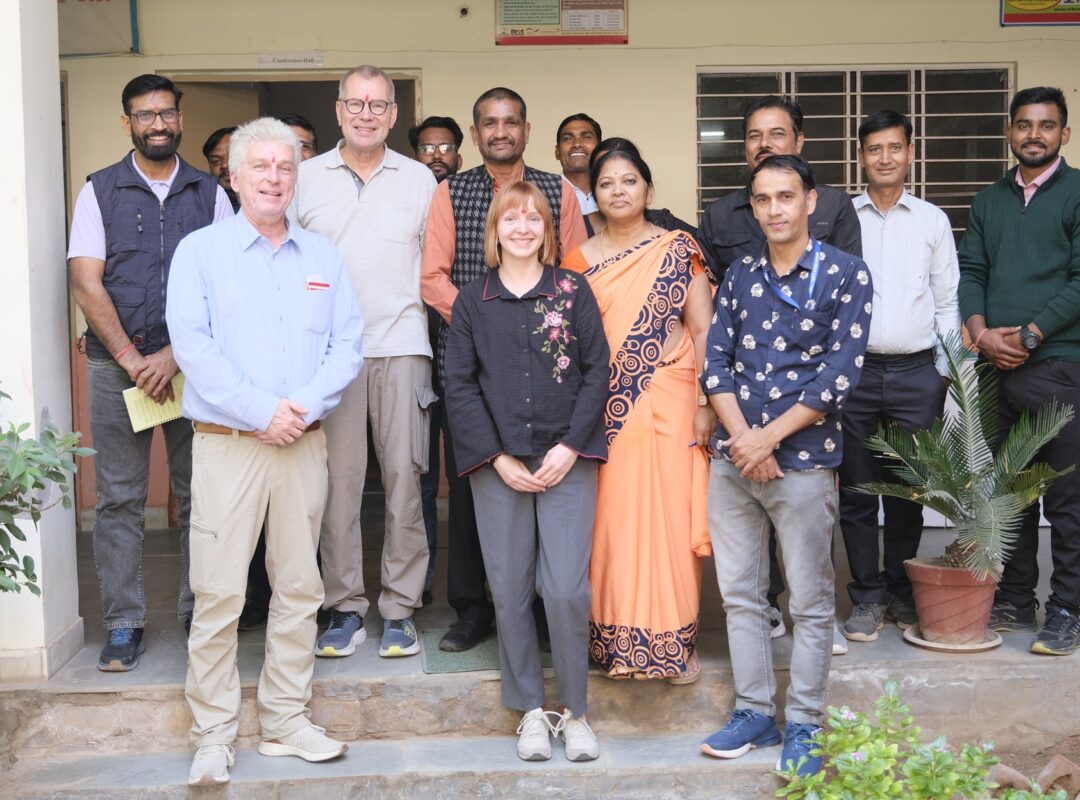
On 8th November 2025, a group of German philanthropists from Germany, including Mr. Ralf Taupel and team, visited Prayatn Sanstha for an organisational briefing and field exposure in Dholpur, Rajasthan.
The visit began at the Dholpur office, where the delegation was welcomed by the Prayatn team, led by Mr. Malay Kumar, Chief Executive of the organisation.
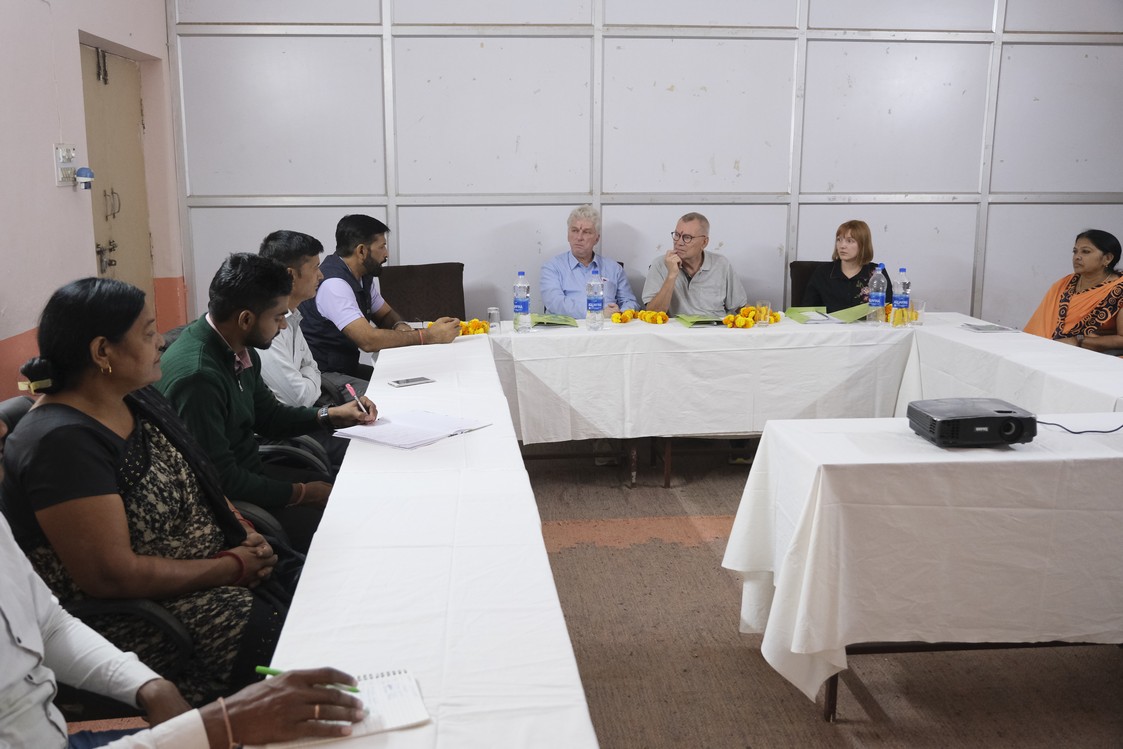
A detailed presentation was then facilitated by Mr. Yogesh Jain, Programme Director, and Mr. Malay Kumar, who walked the delegation through the journey of collaboration between Karl Kübel Stiftung (KKS) and Prayatn Sanstha, which began in 2011 and continued through various initiatives and programmes till 2019. Mr. Malay Kumar shared how the work has evolved from community-level interventions to structured engagement with government systems at both block and district levels. He also highlighted how the association has contributed to addressing critical issues such as child labour, child protection, education and malnutrition in backward regions of Rajasthan like Dholpur and Shahabad, through the establishment of village-level community-based systems.
Government representatives also joined the session and shared how collaborative efforts with Prayatn helped address issues related to education, community safety and service delivery. They spoke about resolving school infrastructure gaps, improving water access and strengthening the District Child Helpline — reflecting how collective action between civil society and state agencies has created tangible change.
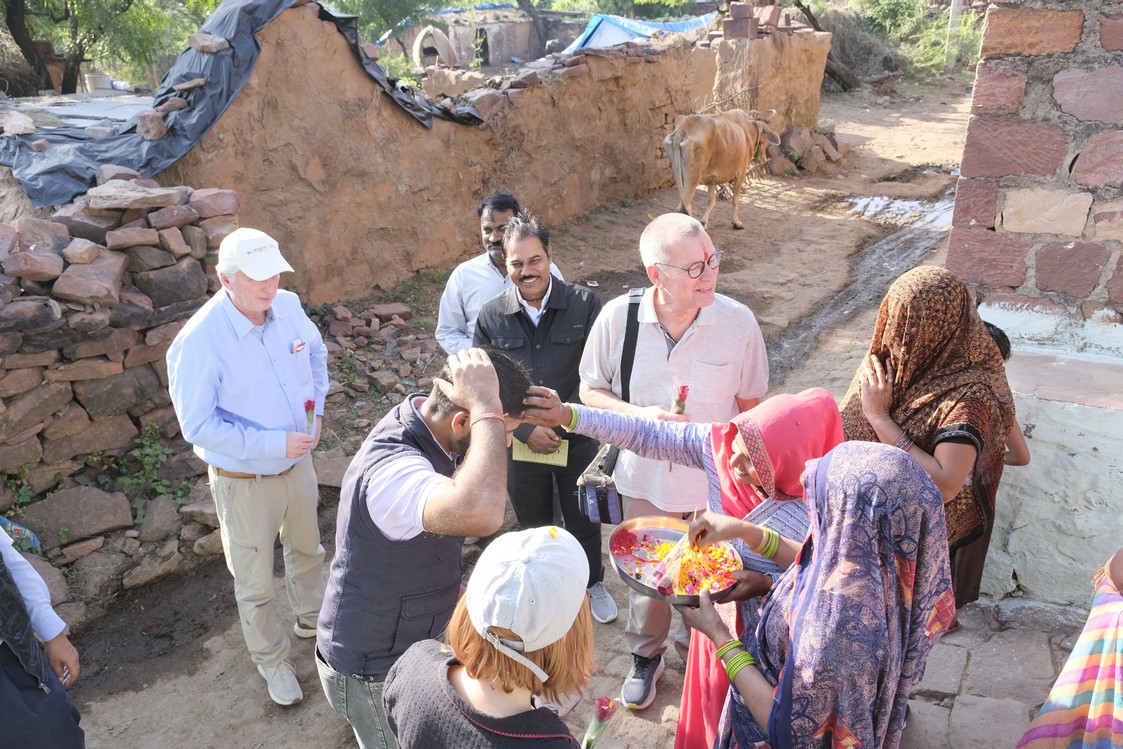
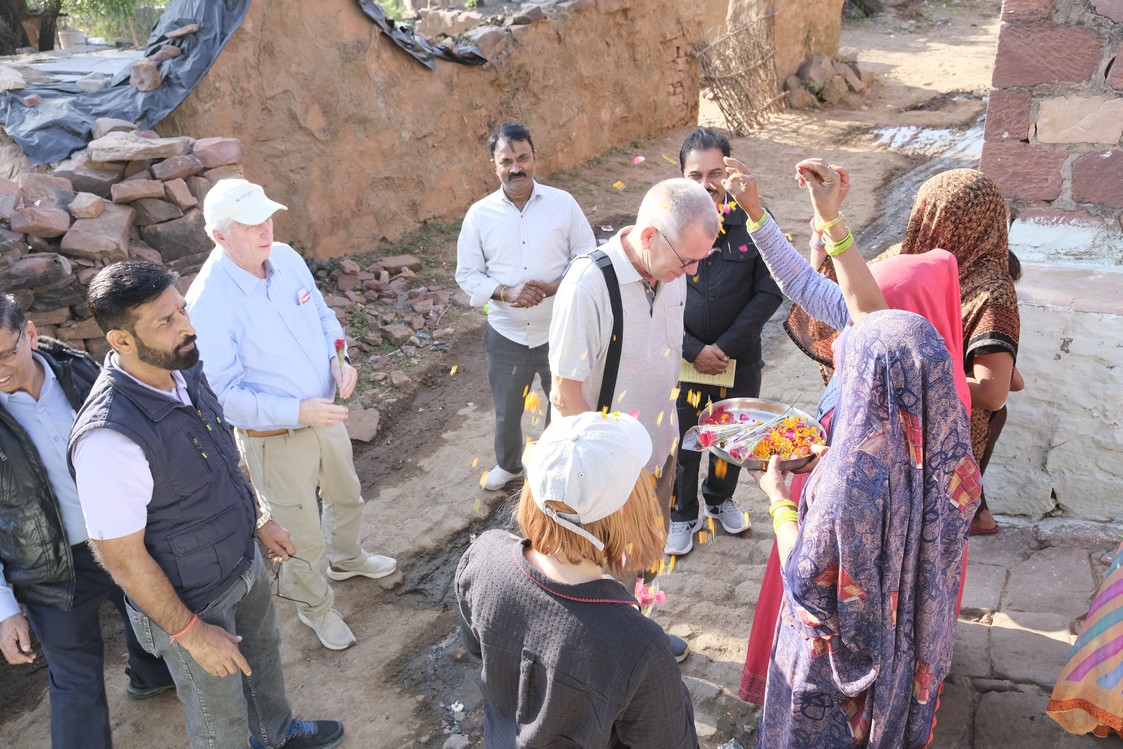
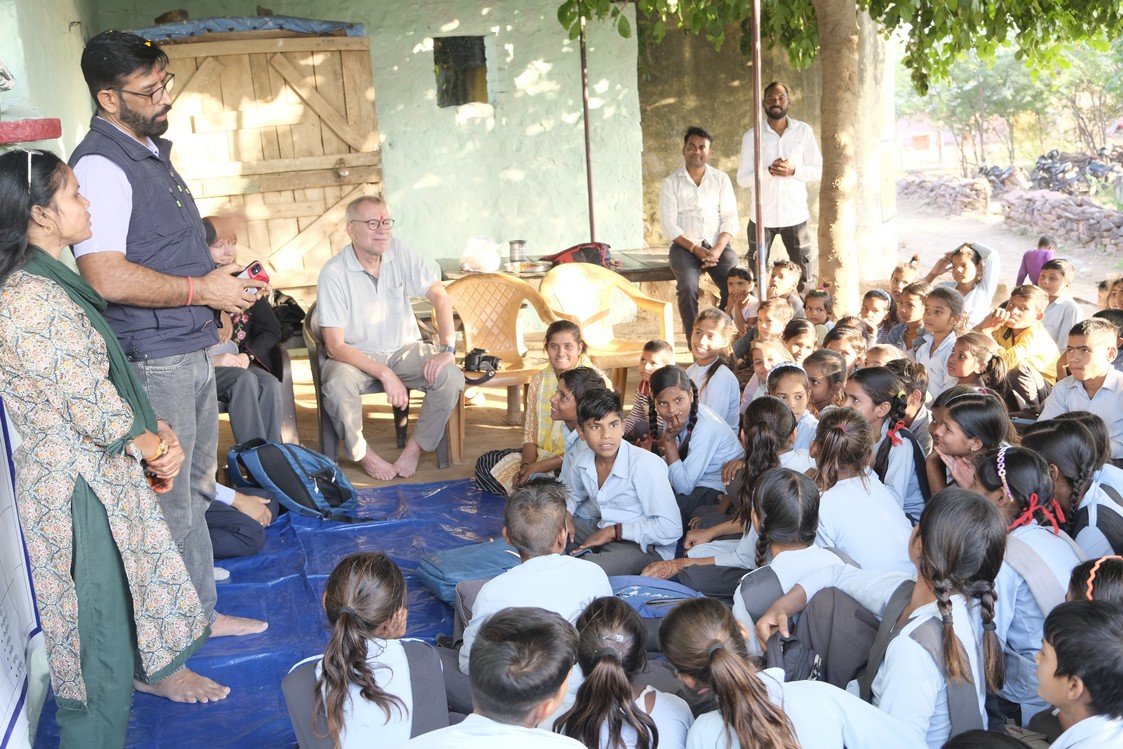
In the afternoon, the delegation visited Gunnakapura village, where community members welcomed them with a traditional song. Women from Self-Help Groups shared their journey — from facing challenges such as child marriage, alcoholism, unsafe travel for education and lack of awareness — to now leading change collectively through village-level systems. They explained how Child Protection Committees, Children’s Collectives and SHGs take decisions, resolve issues and ensure accountability through community monitoring, counselling and social regulations. This shift was attributed to regular capacity building and community-led rules such as counselling, penalties and social accountability, which have brought visible positive change. Improved access to drinking water, cleanliness, school retention and reduced child labour were among the key transformations highlighted.
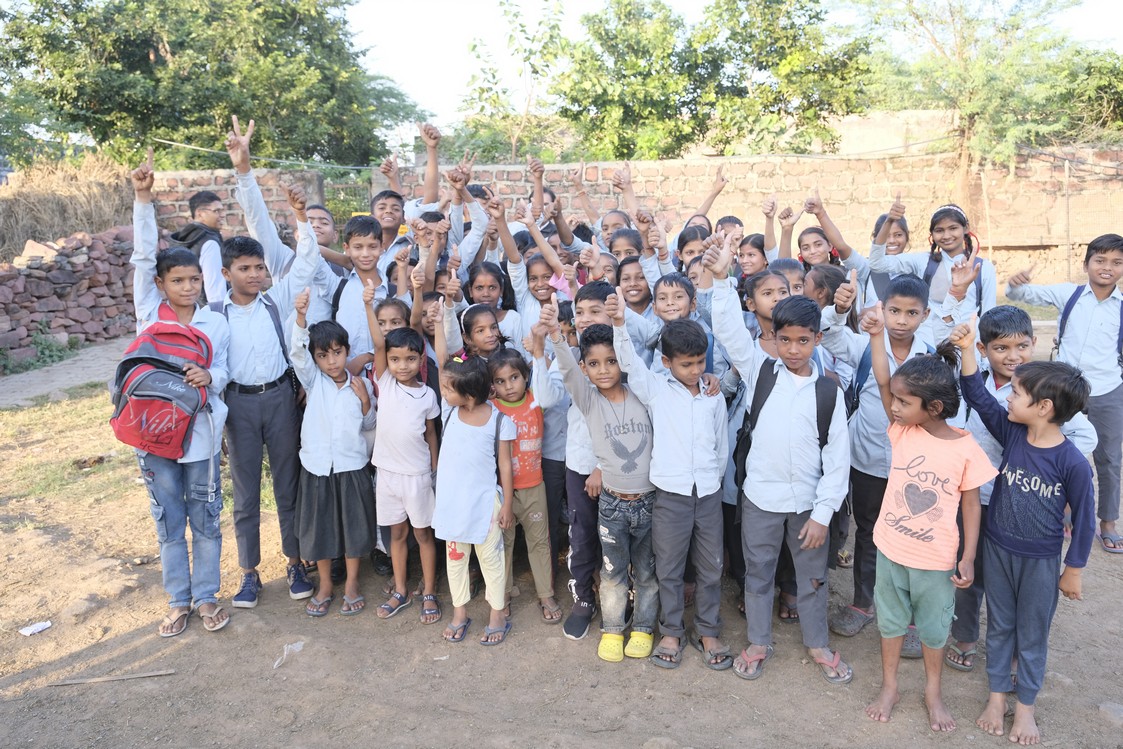
The delegation also interacted with the Children’s Collective, where children confidently expressed how the platform has empowered them to voice concerns. They spoke about regularising school attendance, preventing child marriage and ensuring a safe and supportive environment for children in the village. Their confidence and clarity left a strong impression on the delegation.
During the debriefing, the team representatives appreciated the visible transformation driven by community institutions and shared that it was encouraging to see the impact sustained even after project completion. They noted that in many places project outcomes fade once organisations withdraw, but the continued functioning of committees in Gunnakapura reflects strong ownership and lasting change. They congratulated Prayatn and the community for demonstrating a successful model of participatory development.
The visit concluded with words of appreciation and goodwill from both sides, along with a shared commitment to continue strengthening community-driven development processes.