Jangili village in Rayagada block of Odisha is home to many tribal farming families who depend on small-scale agriculture for their livelihood. However, limited landholding, lack of technical knowledge and traditional farming practices often lead to low productivity and limited income opportunities.
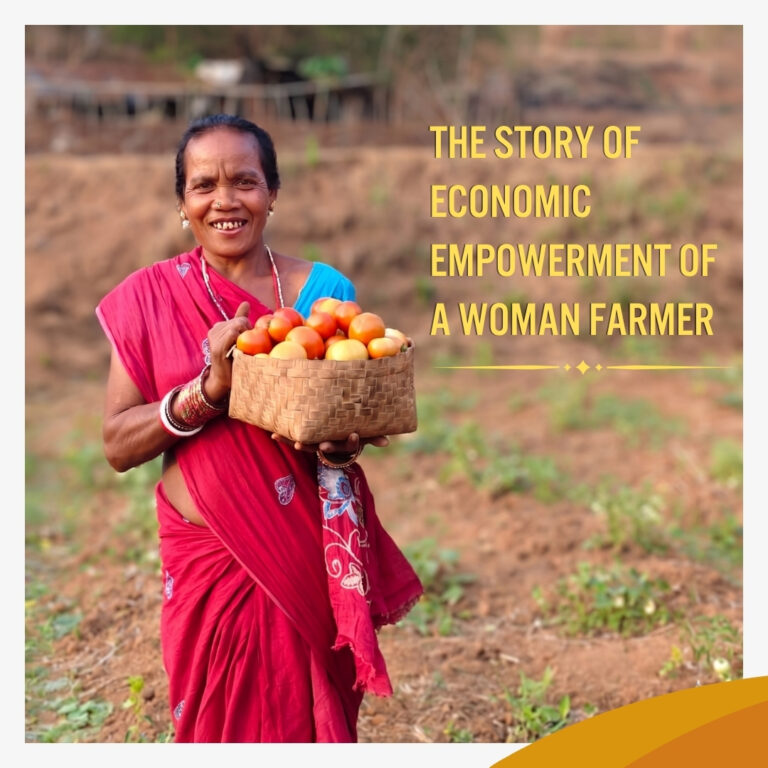
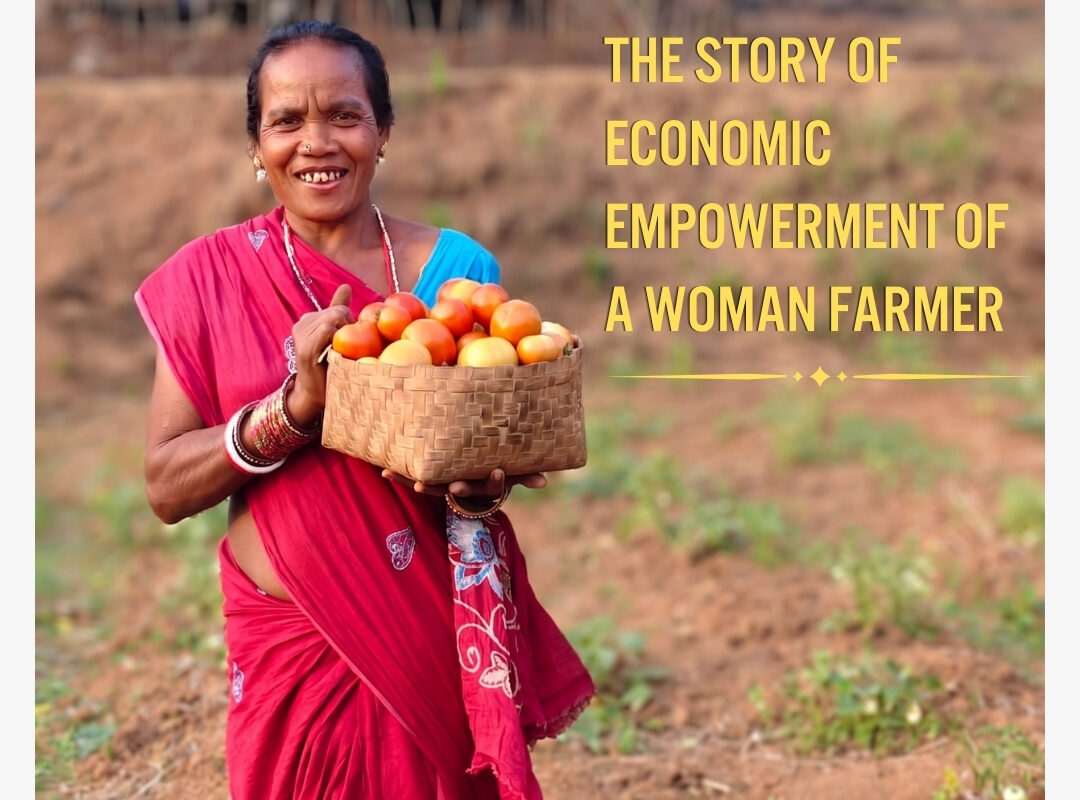
Mrs. Dhanamani Mandangi, a small farmer from Jangili village, faced similar challenges. She owns 1 acre of land and is the primary earning member of her five-member family. Traditionally, she cultivated paddy during the Kharif season and vegetables during the Rabi season. Due to limited awareness about organic cultivation methods, proper crop management and organic pest control practices, her production remained low and income uncertain. The increasing cost of chemical fertilizers and pesticides further added to her financial burden, making farming economically difficult for her family.
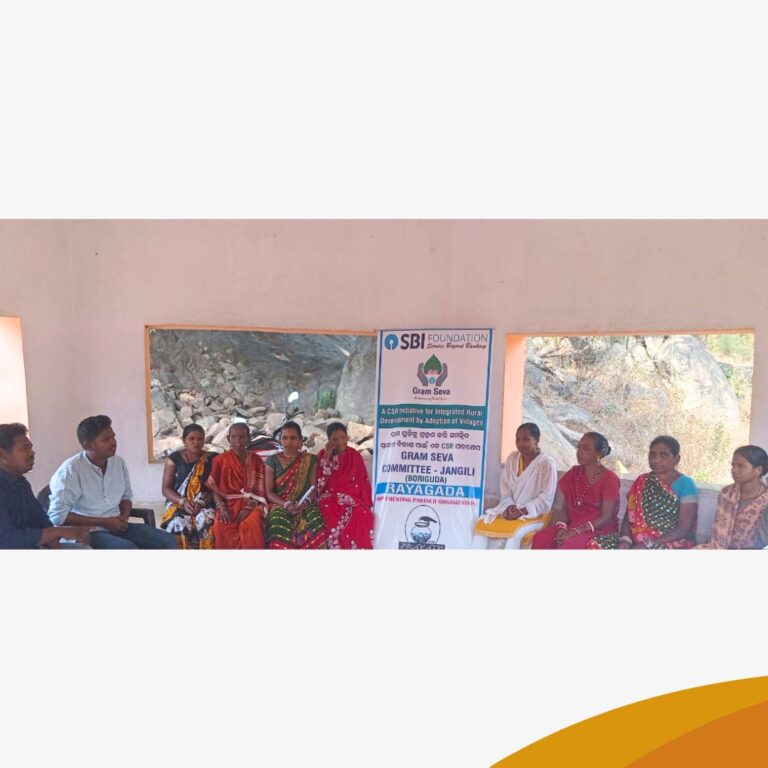
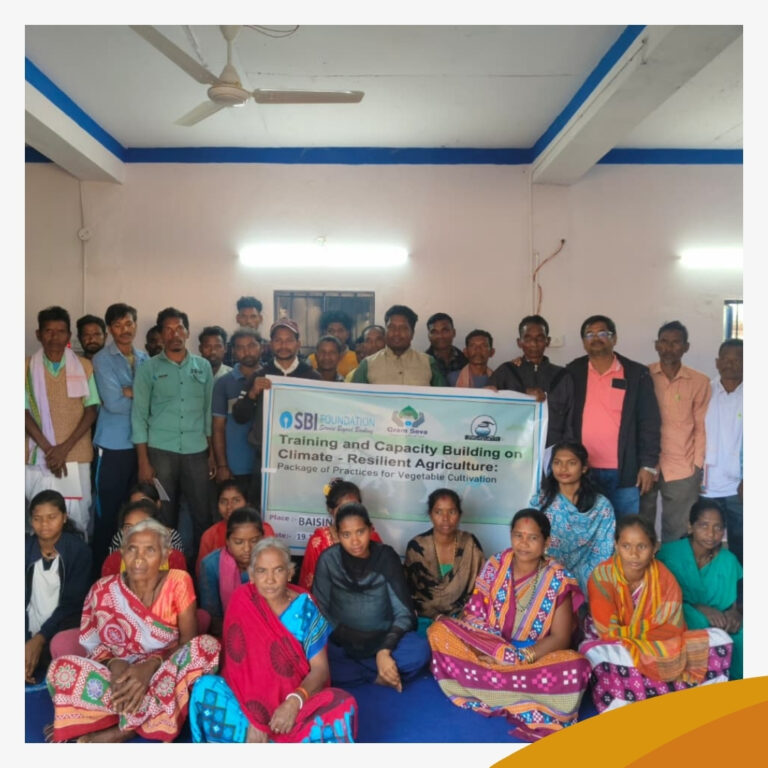
A turning point came when Prayatn Sanstha implemented the SBI Gram Seva Project in collaboration with SBI Foundation in 5 villages, with Jangili being one among them. As part of the project, village-level institutions such as the Gram Seva Committee (GSC), Farmers’ Interest Groups (FIGs) and Self-Help Groups (SHGs) were formed and strengthened. These platforms enabled villagers to collectively identify their needs, plan interventions and improve their livelihoods.
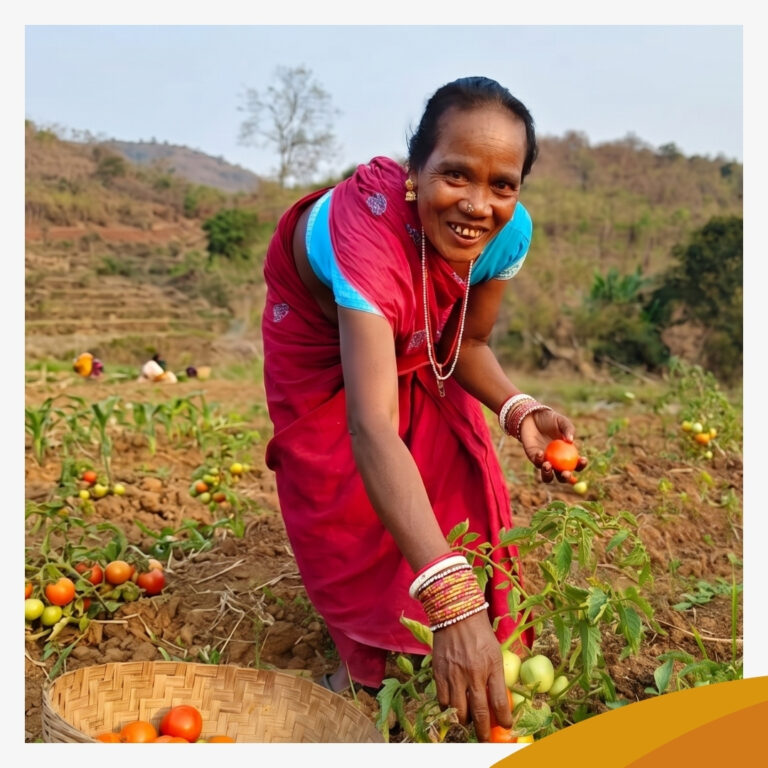
Under the Promotion of Resilient Agriculture intervention, Mrs. Dhanamani Mandangi was identified and supported for scientific tomato cultivation. She received free-of-cost support including 890 high-yielding tomato seedlings, organic manure, neem oil and continuous technical guidance from the Prayatn team. She also participated in training sessions on preparation of organic manure and natural pesticides using locally available materials, helping her reduce dependency on costly chemical inputs.
Applying the learnings, she adopted sustainable farming practices including proper crop spacing, organic nutrient management and natural pest control methods. With the support of the Custom Hiring Centre established in the villages, she also accessed agricultural equipment including a battery sprayer and power weeder, which helped in efficient input application, better weed management, reduced labor effort and improved overall crop management.
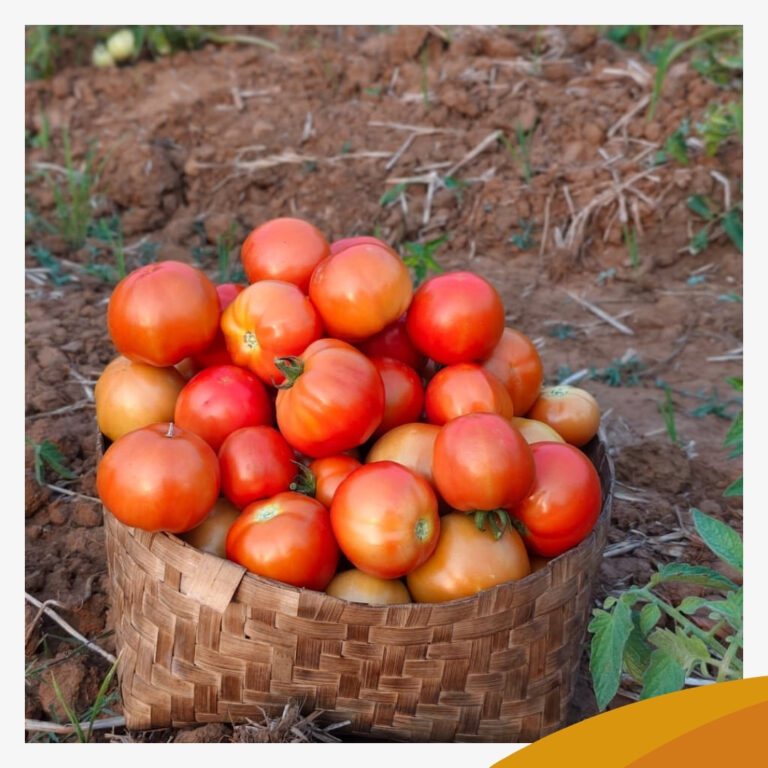
The results were encouraging. Till now, she has harvested 398 kg of tomatoes and earned ₹7,960 from local market sales at the rate of ₹20 per kg. With further harvesting expected in the coming weeks, her total income is likely to reach around ₹25,000 during the season.
This success has strengthened the financial condition of her family and increased her confidence in sustainable farming practices. Dhanamani now plans to continue organic vegetable cultivation in the coming seasons and is motivated to inspire other farmers in her village to adopt low-cost and eco-friendly farming methods.